
Disabilities including NDIS
- Cerebral Palsy (CP)
- Spinal Cord Injury (SCI)
- Acquired Brain Injury (ABI) / Traumatic Brain Injury (TBI)
- Down Syndrome (Trisomy 21)
- Global Developmental Delay (GDD) – with or without a cause
- Spina Bifida
- Neuromuscular Conditions – e.g. Duchenne Muscular Dystrophy (DMD), Becker Muscular Dystrophy (BMD), Congenital Muscular Dystrophy, Myotonic Dystrophy, Spinal Muscular Atrophy (SMA)
- Rare Syndromes and Genetic Conditions – e.g. Dravet Syndrome, Spinocerebellar Ataxia, Foetal Alcohol Spectrum Disorder (FASD), Russell-Silver Syndrome (RSS), Lennox-Gastout Syndrome
- Hypermobility / Connective Tissue Disorders – e.g. Ehler’s Danlos Syndrome (EDS), Hypermobility Spectrum Disorders (HSD)
- Rheumatic Conditions – e.g. Juvenile Rheumatoid Arthritis (JRA)
We also give advice on how to improve gross motor skills for children with Autism Spectrum Disorders (ASD) and provide physiotherapy treatment as required.
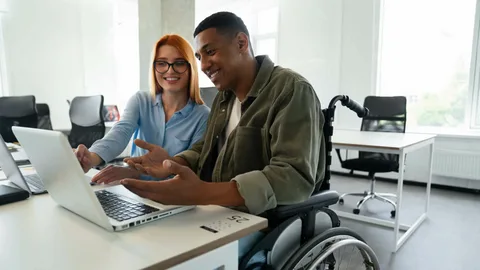

At Physiopaedics Children’s Physiotherapy, we understand that each child with a disability is unique. Even children with the same diagnosis may present very differently in regard to their abilities and physiotherapy needs.
Our main goal is to maximise your child’s physical skills, independence, and participation after a thorough assessment. We achieve this through a variety of approaches.
Setting Realistic Goals with Families and Children
We use the F-words framework for goal setting, which focuses on six key areas of development:
- Functioning – What your child can do
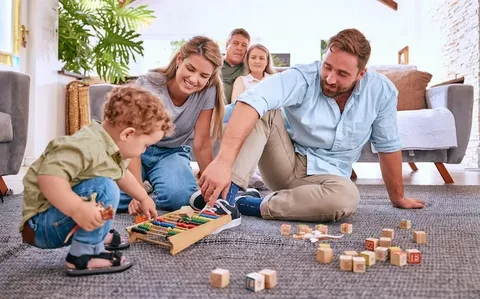
- Family – How your child engages with family
- Fitness – Physical health and strength
- Fun – Enjoyment in activities
- Friends – Social participation
- Future – Long-term development
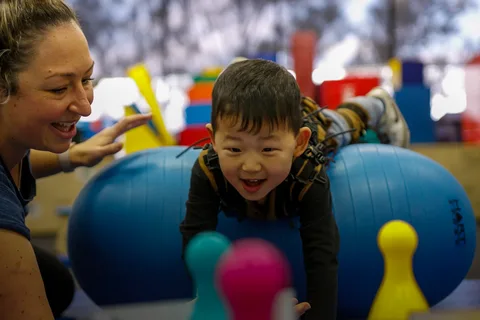
Fun and Effective Therapy
- Flexibility
- Strength
- Balance
- Coordination
- Gross motor skills
- Independence
We provide therapy in our clinic as well as providing opportunities to benefit from sessions in natural, real-life environments, such as your home, childcare centre, school, park, playground or sports oval.
We also develop a home exercise program tailored to your family’s schedule. Consistent participation in these exercises is a key part of supporting your child’s progress and achieving their therapy goals.
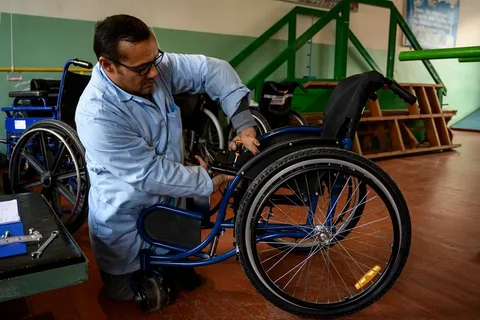
Equipment / Assistive Technology
- Standing frames
- Walking frames / mobility aids
- Frame runners
- Adapted tricycles and bicycles – referral to Freedom Wheels
This equipment helps children maintain upright posture, engage in daily activities, and participate more effectively with family, pre-school / school and leisure activities.
Orthotics and Shoes
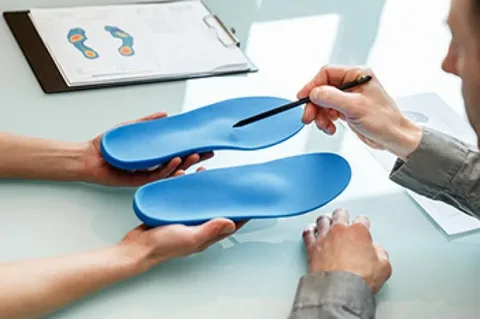
Appropriate footwear and orthotics can help your child stand, walk, and move more efficiently and comfortably. We provide advice and recommendations regarding the most suitable footwear to address your child’s needs – from commercially available supportive shoes to more specialised orthopaedic shoes and orthotic specific footwear.
We fit and prescribe a variety of off-the-shelf and customisable, heat-mouldable orthotics such as in-shoe orthotics, high-flange and UCBL orthotics, Supra-Malleolar Orthoses (SMOs) and Ankle-Foot-Orthotics (AFOs).
However, some children require custom orthotics and we collaborate with your child’s Orthotist or Podiatrist to provide detailed information about their walking patterns, physical skills, and orthotic needs to ensure that their custom orthotics address their specific needs.
Collaboration with Other Professionals
We take a holistic, family-centred approach by working closely with your child’s team of professionals. No therapy is effective in isolation – your child’s development depends on integrating skills across multiple areas which is why we work hard to maintain regular and open communication with your child’s therapy and medical team.
This approach ensures we’re not just working on your child’s gross motor skills in isolation. We aim to also support your child’s communication, play, engagement with the environment, and overall independence. We also strive to build the capacity of parents and carers.