


Feet / Hip / Orthopaedic Conditions
Talipes (Clubfoot)
Our experienced physiotherapists are highly skilled in assessing and treating a wide range of orthopaedic conditions commonly seen in babies and toddlers. Below are some of the conditions we frequently support:
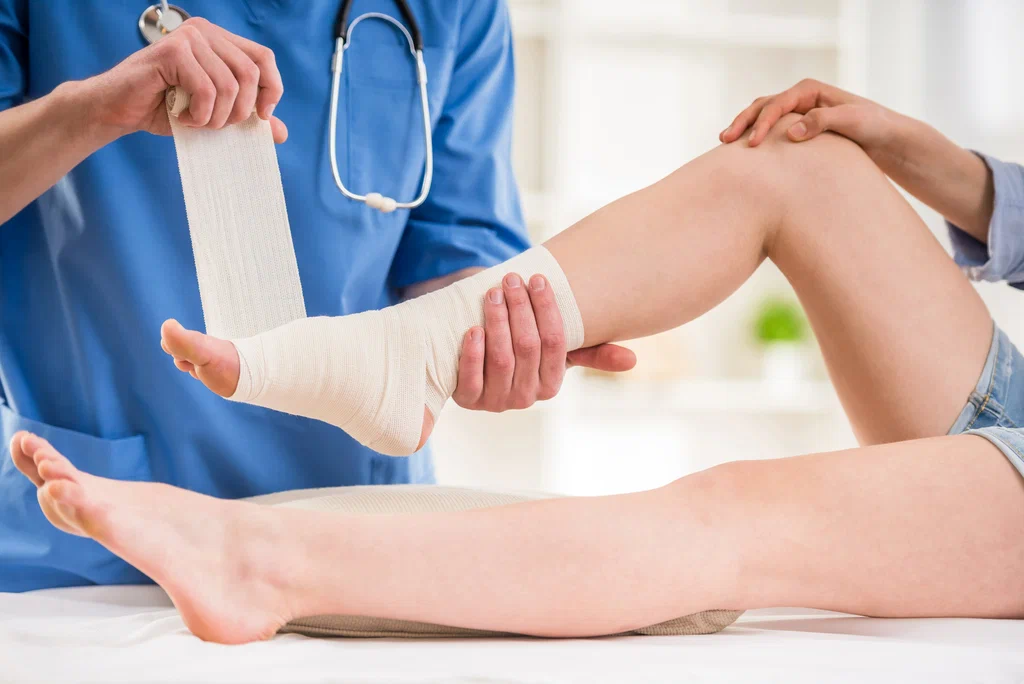
Talipes is a condition where one or both feet are positioned differently at birth.
In most cases, the foot turns inward and downward (talipes equinovarus). Less commonly, the foot may turn outward and upward (talipes calcaneovalgus).
Our physiotherapists support you and your baby with a detailed assessment and provide appropriate treatment strategies. We are a holistic service and will assess every aspect of your baby’s development – not just their feet. This includes their muscle tone, range of motion, upper and lower limb movement, head shape, and overall development, so we can ensure all of your baby’s needs are met.
In the majority of cases, talipes resolves successfully and does not impact walking or physical activity later in life. However, early assessment and treatment is important to ensure that if any active intervention is required, it is started as soon as possible.
Hip Dysplasia (Developmental Dysplasia of the Hip – DDH)
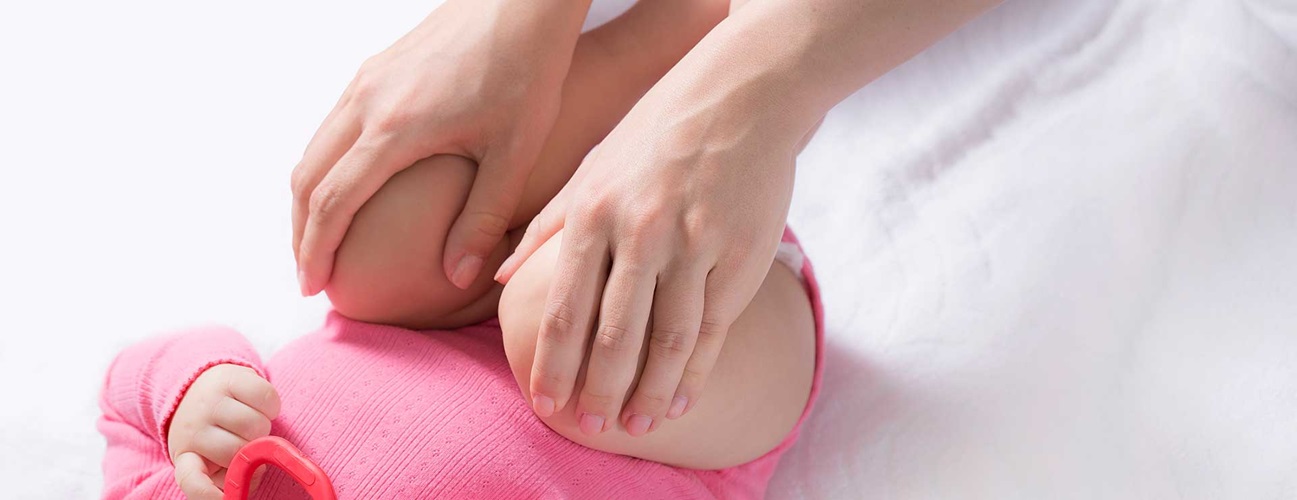
If picked up at birth during the neonatal check or in the first 6-8 weeks, then treatment often involves being fitted with a soft hip brace called a Pavlik harness. Our Physiotherapists are very experienced in sizing and fitting these braces when referred by the baby’s treating doctor (GP, Paediatrician, Orthopaedic surgeon), including teaching parents how to bath and care for their baby in the harness. The Pavlik harness holds the hip joint in an optimal position to ensure proper development of the hip socket around the head of the femur (thigh bone) and is usually worn for several months. For older babies, a Rhino brace may be recommended by the treating doctor / specialist, which we are also able to size and fit.
Any child that has been treated for DDH and worn a brace for several months may experience mild delays in gross motor development. This is why at Physiopaedics Children’s Physiotherapy we continue to follow up all of our babies with DDH well after they come out of their hip brace to ensure that they progress through their gross motor milestones appropriately. We teach the parents / carers activities to help facilitate their development and monitor their progress until they are walking independently.
In more complex DDH cases, treatment may include a hip spica cast or surgery which would be done at one of the Children’s Hospitals (Sydney or Westmead). We assist with Physiotherapy for babies following hip spica cast application or hip surgery, and we liaise closely with the Physiotherapists and Orthopaedic team from the Children’s Hospital to ensure the best care for your child.
Brachial Plexus Injury (BPI)
If the nerves of the brachial plexus are injured, it may result in:
- the affected arm not moving normally
- the muscles in the arms starting to waste (get smaller)
- limited feeling (e.g. of temperature or pain) in the affected arm
Types of Brachial Plexus Injury
- Erb’s Palsy (C5-6): most common, affects the shoulder and elbow
- Klumpke’s Palsy (C8-T1): affects the hand and wrist
- Total Plexus Palsy: affects the entire arm
Recovery depends on the severity of the nerve damage – but there is no single test to tell how serious a brachial plexus injury is. Therefore, close monitoring and assessment of your baby’s arm for improvements in movement, function, shape and size is required over a period of time. Most babies regain full function with physiotherapy and exercises within months.
Babies with severe cases of BPI may require surgery. These babies are managed through the specialist clinics at either Westmead or Sydney Children’s Hospital.
If your baby has been diagnosed with BPI our experienced physiotherapists can help assess, treat and monitor your baby’s arm to help with their recovery. We also help with those babies who may require surgery – liaising with the physiotherapists and specialists at the Children’s Hospital to provide the local physiotherapy intervention for your baby post-surgery.
Post-surgery and Post-fracture Physiotherapy
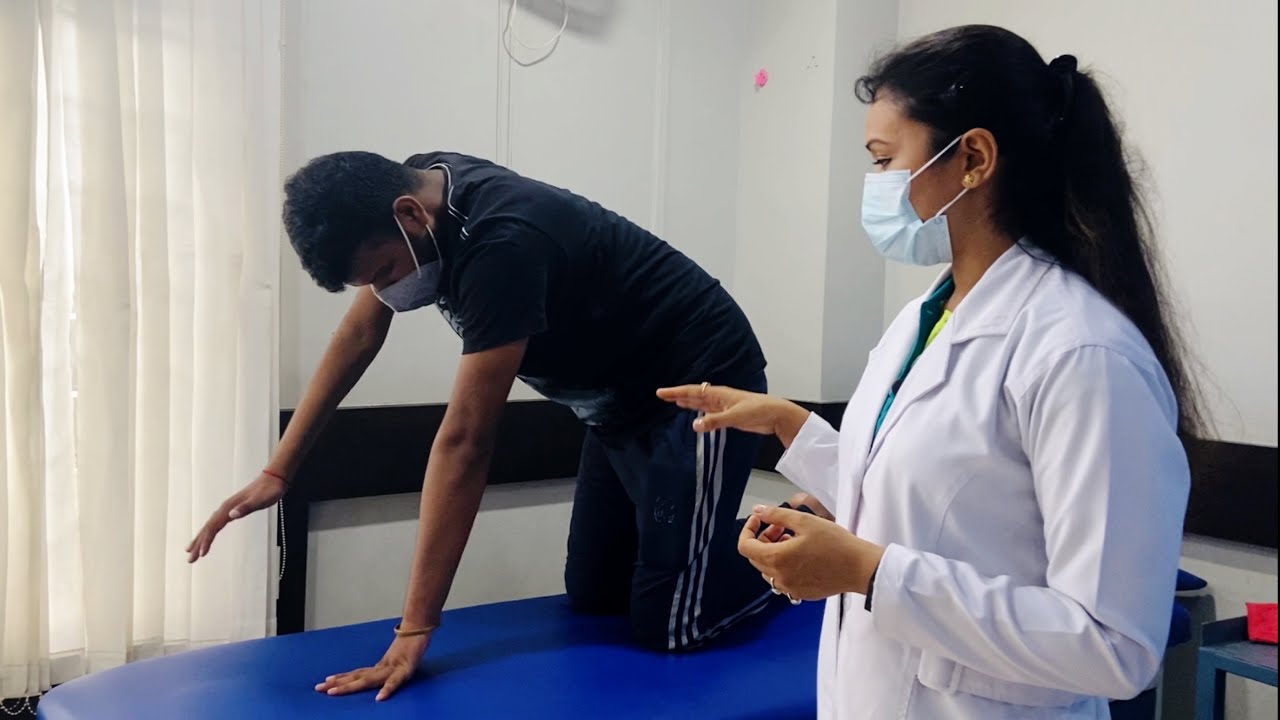
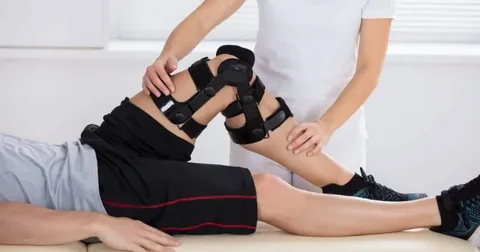
If your child suffers a broken a bone (fracture) and requires casting or surgery then they will benefit from physiotherapy once their cast comes off to help restore their range of motion, strength and mobility. Every child responds differently to an injury, especially when they break a bone, and fear of moving / breaking their bone again can be very challenging to overcome. Our physiotherapists specialise in helping children to feel at ease, build confidence, learn to move and recover from their injury. Our rooms are very homely and child-friendly and our physiotherapists utilise toys, games and their unique skills to help your child recover as quickly as possible.