



Walking / Gait Assessments
Motor Skill Delay – Standing or Walking
At Physiopaedics Children’s Physiotherapy, we regularly assess and support children with a wide range of walking patterns. Changes or difficulties with walking are often noticed when children first learn to walk and may continue as they grow and develop.
Below are some of the common walking concerns we see:
Most children begin walking independently at around 12 months of age. If your child is not yet walking by 15 months, it is recommended that their gross motor development be assessed.
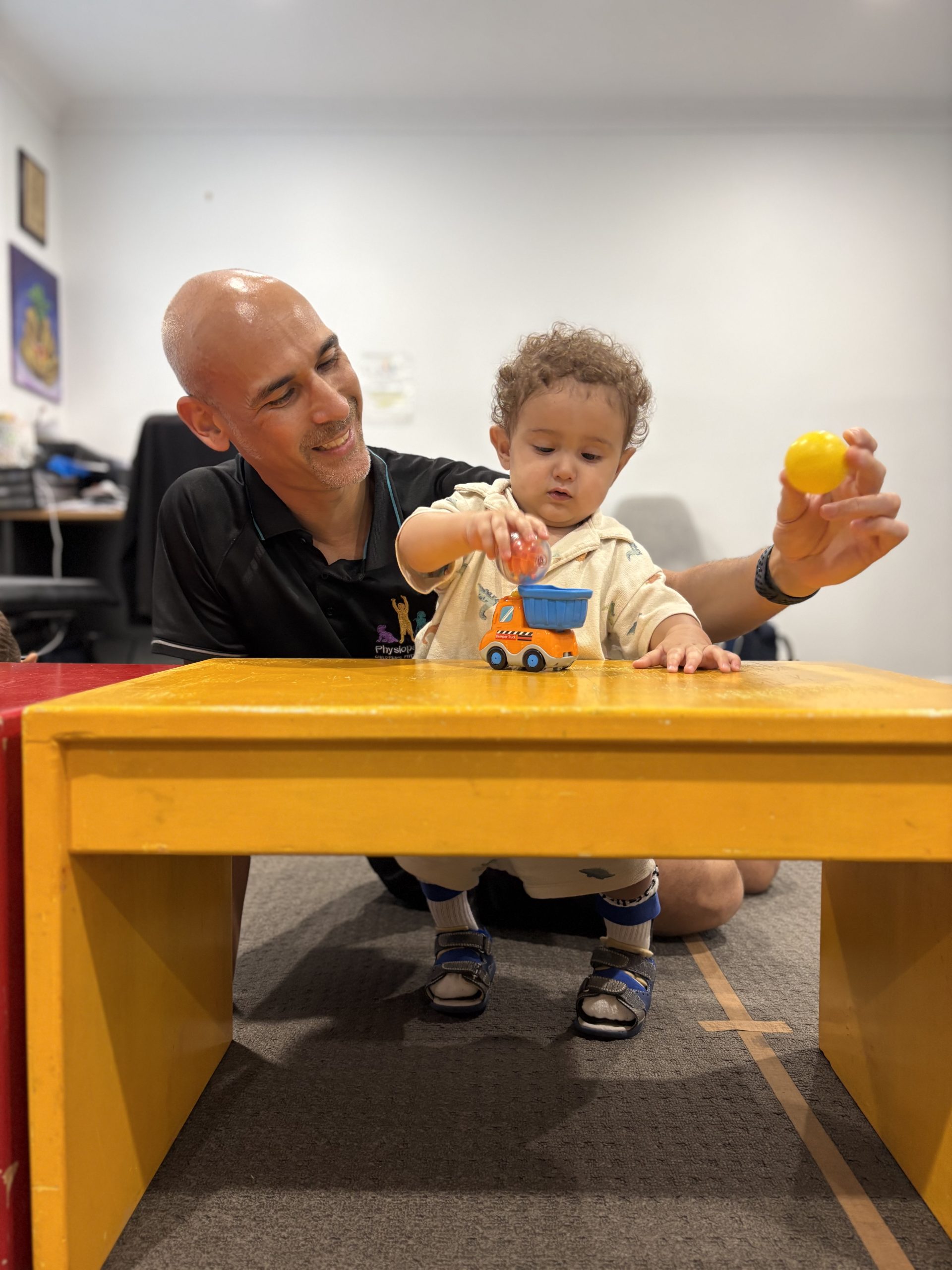
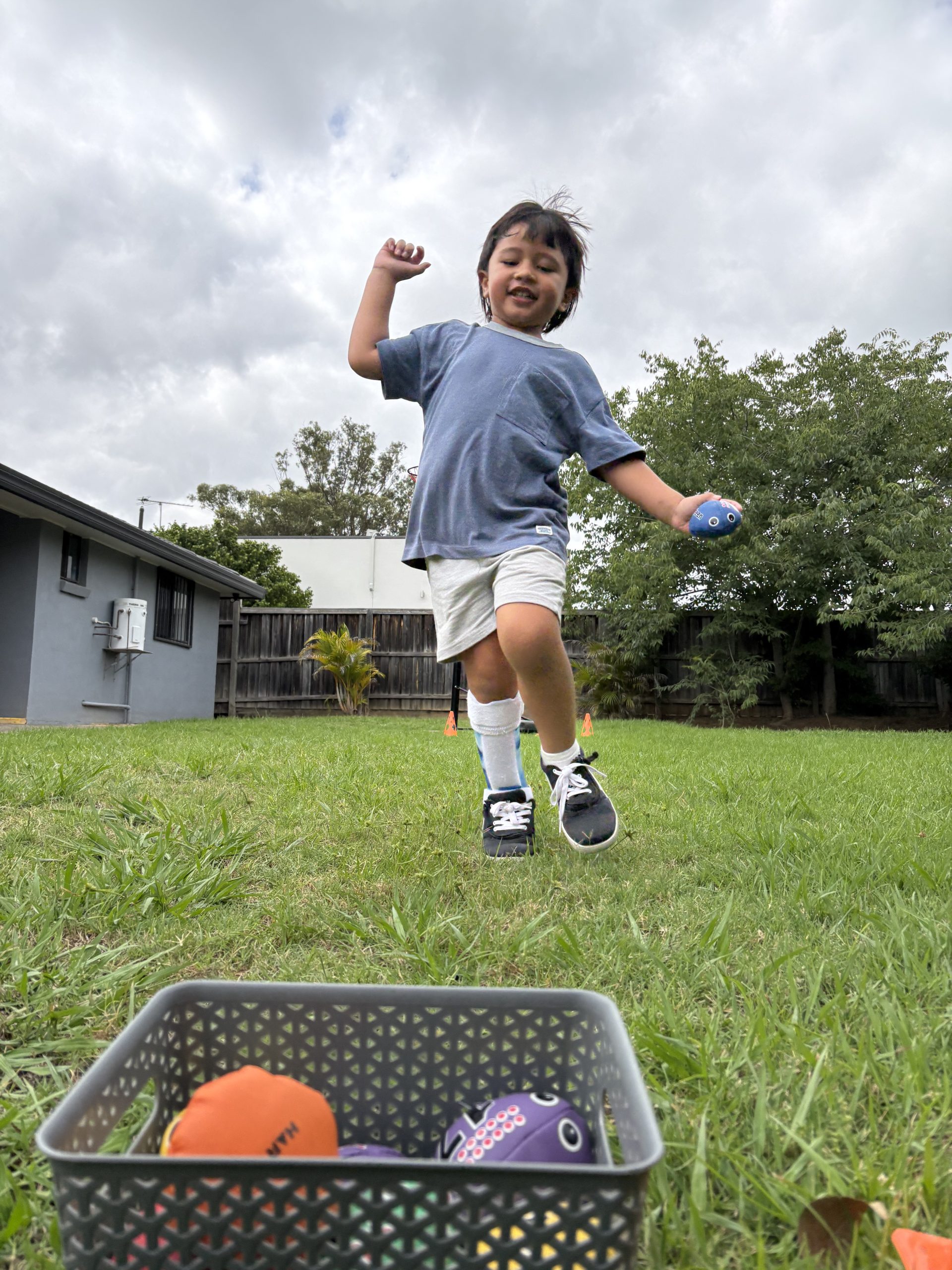
Our physiotherapists create fun, age-appropriate play activities designed to build the strength, balance, endurance, and flexibility needed for independent walking.
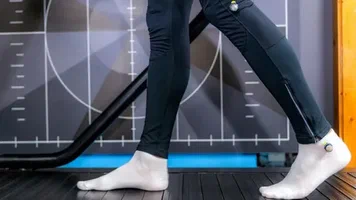
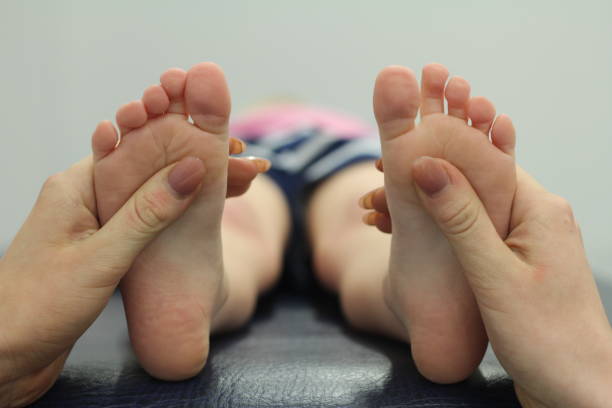
In-Toeing and Out-Toeing
- In-toeing (sometimes called “pigeon-toe”) = occurs when the feet turn inward
- Out-toeing = occurs when the feet turn outward more than usual
In-toeing is relatively common in young children and may be seen up until around 7 years of age. It is often more noticeable in girls.
We recommend an assessment with a paediatric physiotherapist if:
- Your child’s in-toeing is persistent and affecting their physical skills
- There is no improvement as they grow older
- One foot turns in more than the other
- Your child complains of leg pain
- Their legs or feet appear stiff and this does not improve over time
Toe-Walking
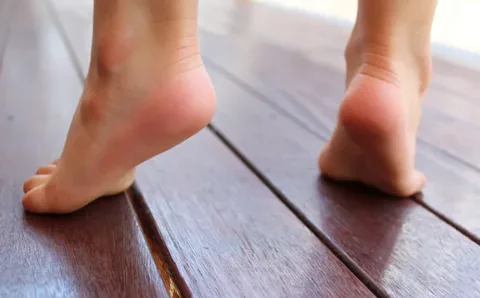
Some children can have a preference to toe-walk and, if they do this all the time, then they are at risk of their calf muscles and Achilles tendon getting tight (muscle shortening). This is why it is important to address any toe-walking as early as possible to prevent their calf muscles getting too tight that they are unable to bring their heels down.
There are various causes for toe-walking – habitual (idiopathic), sensory or neurological – and a thorough paediatric physiotherapy assessment can help to determine the cause and provide you with the best treatment options available for your child.
Flat Feet
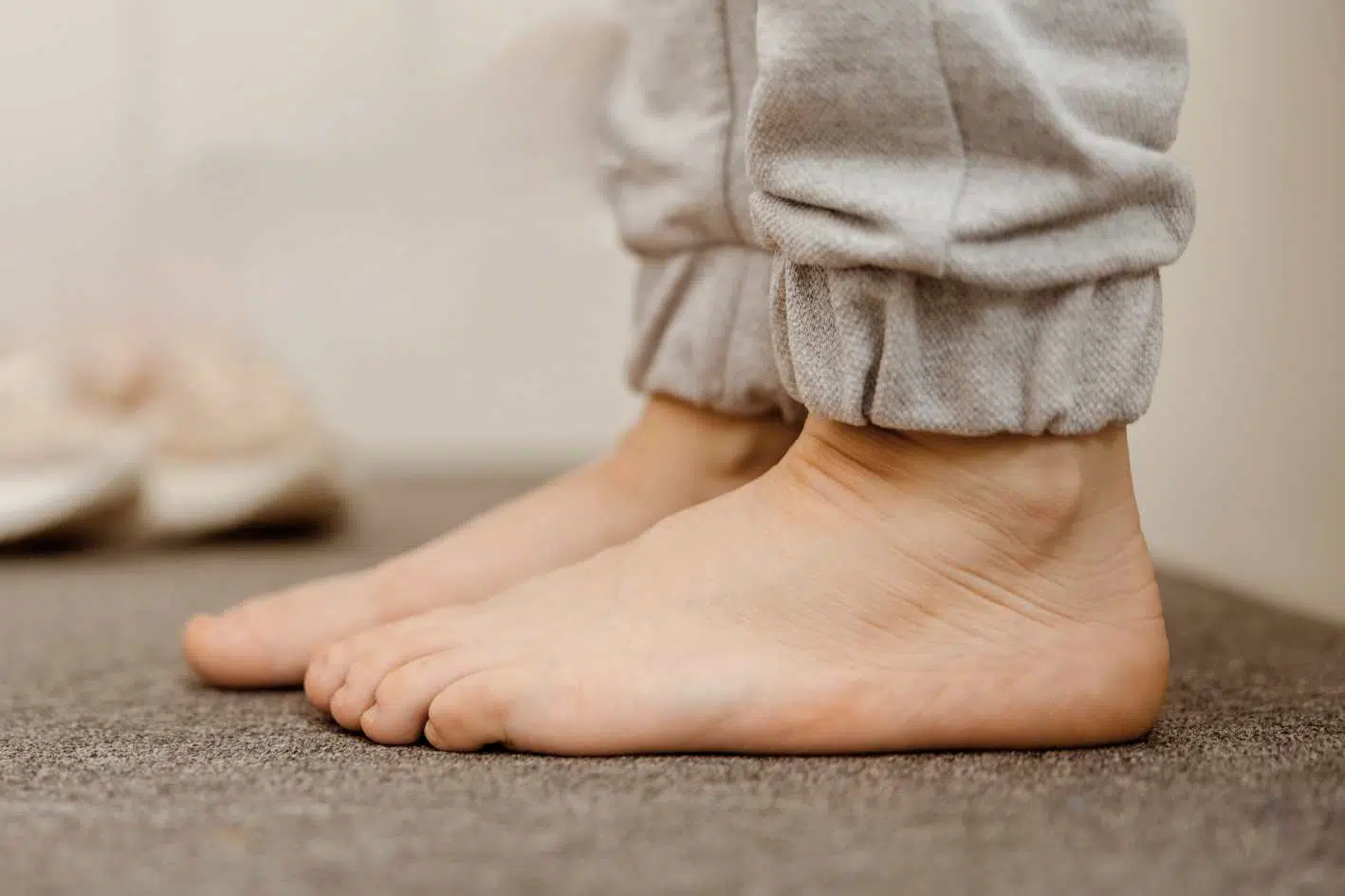
Foot arches typically develop by around 5 years of age. Some children may continue to have flatter feet beyond this age, particularly if they have hypermobility or lower muscle tone.
Flat feet are often a normal variation. However, if your child experiences foot pain, balance difficulties, or challenges with physical activities, a review with a paediatric physiotherapist is recommended.
Knock Knees and Bow Legs
Knock knees are the opposite — when a child stands with their knees together, but their feet and ankles remain apart.
Both conditions can be part of normal development at certain ages, but a paediatric physiotherapy assessment can help determine whether monitoring or intervention is required.
Frequent Tripping or Falling
If your child continues to trip or fall more often than other children their age, or if the frequency does not improve over time, a physiotherapy assessment may help identify whether there is an underlying cause contributing to their instability.
While many of these orthopaedic variations improve naturally with time, a thorough paediatric physiotherapy assessment can check for any rotational issues, muscle tightness / weakness and help rule out any underlying conditions. From our detailed assessment we can provide the most appropriate treatment or provide reassurance if it is within normal limits for your child’s age.
If you have any concerns about your child’s walking or physical development, we are here to help. There are no silly questions — your child’s health and wellbeing are always our top priority, and any concerns should be assessed by a qualified paediatric physiotherapist.